Mastering the Luxury Islamic Ornamental Background
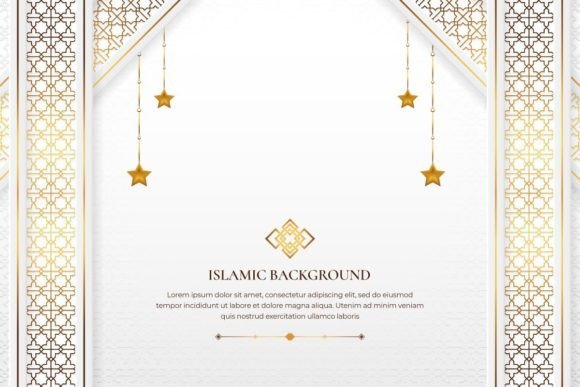
When you are tasked with creating materials for Ramadan, Eid, or a high-end Middle Eastern brand, the visual language needs to be more than just "pretty." It needs to convey respect, tradition, and a specific kind of opulence. This is where the Luxury Islamic Ornamental Background comes into play. It is not merely a generic pattern; it is a carefully constructed asset featuring elegant dark and golden tones, intricate geometric borders, and decorative hanging stars. For the professional designer or business owner, understanding the depth of this asset is key to elevating your work from standard to sophisticated.
The Visual Language of Geometric Elegance
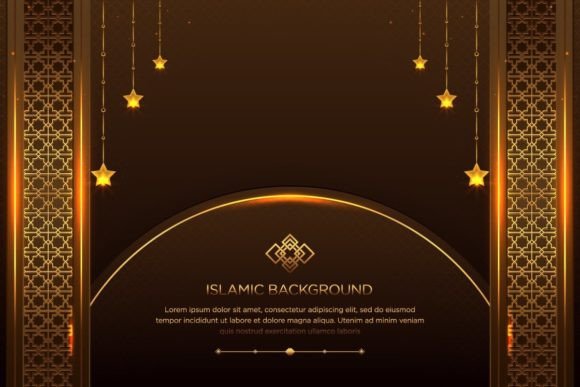
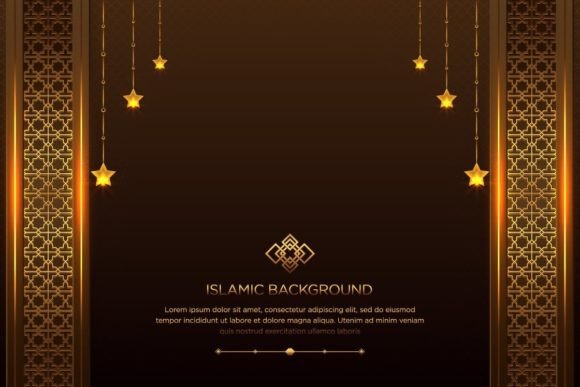
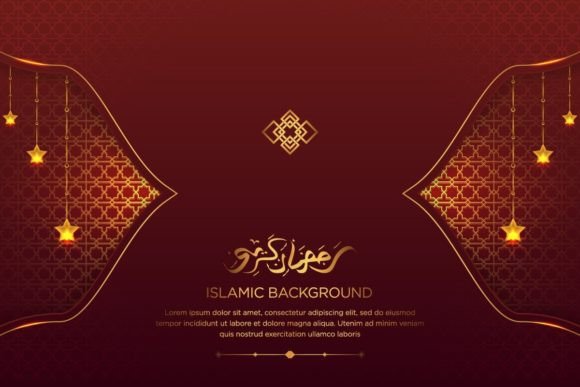
At its core, this design asset is built on the foundations of Islamic art—repetition, symmetry, and geometry. The "Ramadan Kareem" aesthetic relies heavily on a rich color palette, typically deep charcoal or midnight blues contrasted with metallic golds. This specific background does exactly that, utilizing an RGB color mode that makes it pop on screens and digital displays. The "ornamental" aspect refers to the intricate arabesques and the central decorative hanging stars, which mimic the lanterns often seen during the holy month.
However, the real power of this Luxury Islamic Ornamental Background lies in its "copy space." Too often, ornamental backgrounds are so busy that they swallow typography whole. Here, the composition is balanced. The borders frame the content without overwhelming it, allowing you to place headlines, body text, or a brand logo right in the center with confidence. It strikes a difficult balance: it feels full and luxurious, yet it remains a functional canvas for your actual message. The style is distinctly premium, moving away from flat, cartoonish holiday graphics toward a more mature, editorial aesthetic.
Real-World Applications and Project Fit
As a creative professional, you are constantly juggling different mediums. The versatility of this asset is its strongest selling point. Because the files are included as fully editable Illustrator EPS files alongside raster images, you have total control. This is crucial for maintaining a consistent brand identity across various touchpoints.
Consider the entrepreneur launching a new product line for the holiday season. You can use this background for packaging design—perhaps as a sleeve for a luxury chocolate box or a background for a cosmetics label. The gold and dark palette suggests high value, instantly elevating the perceived worth of the product. For the content creator or blogger, the 1200x800 pixel size is optimized for digital banners and social media headers. You can drop in your text using the suggested free font (or any serif font that mimics calligraphy) to create an immediate, professional announcement for a Ramadan sale or event schedule.
Furthermore, for marketers and publishers, the applications extend to editorial design. Imagine a magazine cover or a newsletter header for a community organization. The background provides the necessary gravitas. Even for personal use, such as creating a digital invitation for an Iftar gathering, this asset saves hours of work. Instead of trying to build a pattern from scratch, you are starting with a polished, professional and clean file that just needs your personal touch.
Integrating the Asset into Your Workflow
One of the biggest hurdles with complex design assets is editability. If you have ever tried to change the color of a flattened JPEG, you know the frustration. This is why the inclusion of Fully Editable Files is a game-changer. Being able to ungroup objects, alter colors, and resize elements without pixelation allows this single asset to serve multiple projects. You might keep the gold tones for a luxury brand but swap them for silver and white for a different, cooler aesthetic.
When working with this background, pay attention to your typography. Because the background is ornate, your text needs to be legible. A sans serif font might get lost if the line weight is too thin. It is often better to use a bold display font for headers or a classic, readable serif font for body text. If you are layering text over the more intricate border areas, consider adding a subtle semi-transparent overlay or a drop shadow to ensure readability. The goal is visual hierarchy; the background supports the text, it doesn't compete with it.
From a web design perspective, while the file size is manageable, ensure you optimize the final export for web performance. The 1200x800 dimension is excellent for hero sections or landing page banners. It provides enough resolution to look sharp on standard monitors without dragging down your site's load speed. For social media graphics, the "copy space" is your best friend. Place your call to action in the negative space to maximize engagement.
Practical Considerations for Professionals
Before you finalize your design, always test your font pairing. A script font or handwritten font can add a personal, human touch to the rigid geometry of the Islamic patterns, creating a beautiful contrast between the organic and the mathematical. However, ensure the script is legible; overly swirly scripts can get lost in the arabesques.
Finally, always check the licensing. This asset is designed for broad usage, but confirming that your specific use case—whether it's a commercial flyer, a digital download, or a client project—aligns with the license is a mark of a true professional. This Luxury Islamic Ornamental Background is more than just a picture; it is a design asset that, when used correctly, communicates cultural awareness, seasonal relevance, and high-end quality. By leveraging the editable vectors and the rich color palette, you can create materials that resonate deeply with your audience.